
Off Shore / On Shift vol.3 Working with the sea

Nanamica’s style carries the free, relaxed mood of the sea. Its presence blends naturally with the rhythm of work and life shaped by nature. Standing in the water as a fisherman while creating places for learning — we followed the everyday life of Junya Ichikawa, who works from Kotsubo Fishing Port in Zushi, connecting education with the sea.
If I’m going to do it, I want work that deals with nature. From the field of education to the world of fishing.
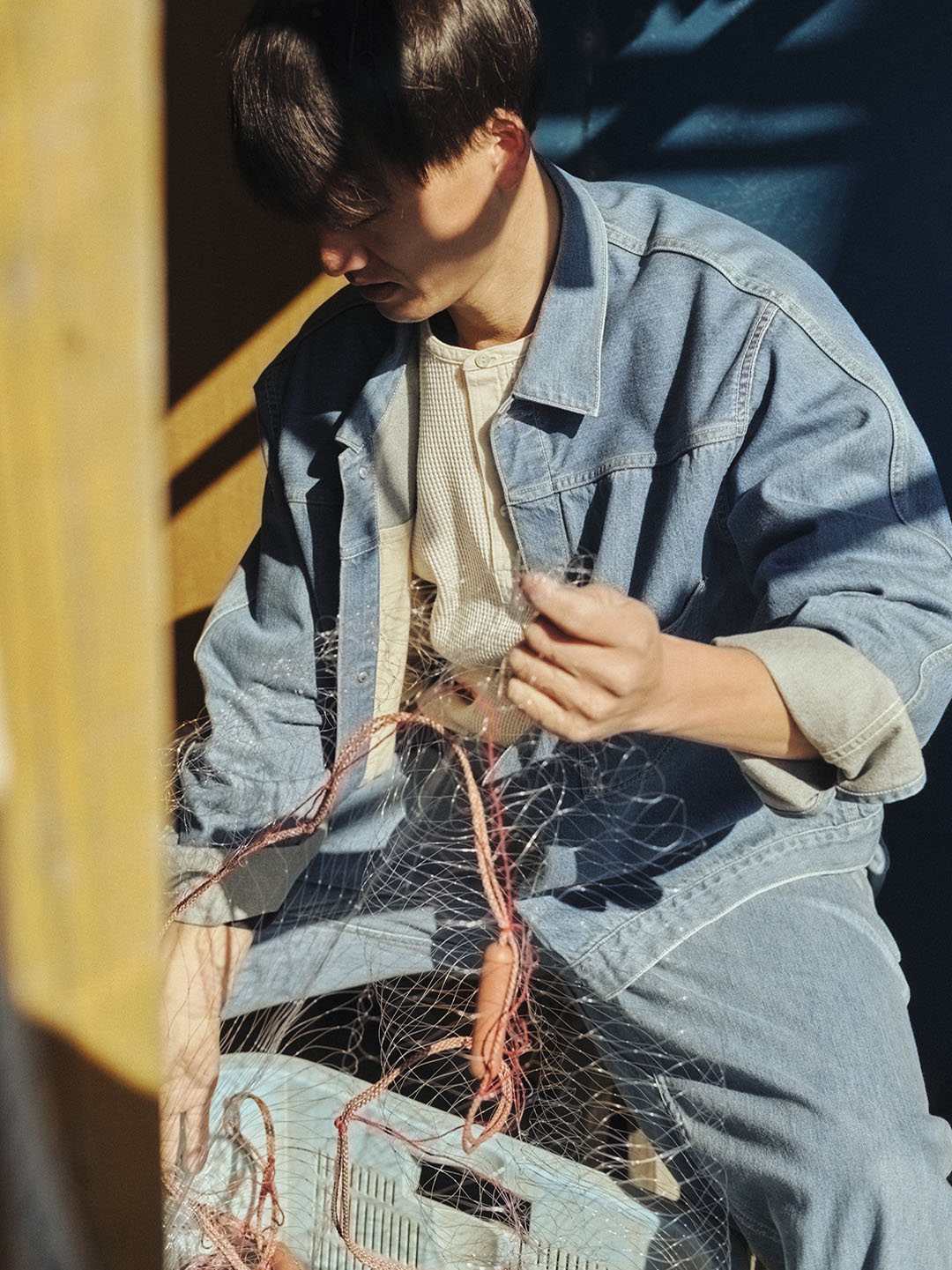
Ichikawa, who works as a fisherman at Kotsubo Fishing Port in Zushi, begins his day with the sunrise. In summer it starts early; in winter, a little later.
“In the morning, I head out to sea while watching the gradient of the sky before sunrise. By early morning I’m back on shore, tending to the nets and preparing the catch for shipment. The sea is never the same from one day to the next — there are days when you don’t catch a single fish. Since it’s something you can’t control, I’ve learned to let go and think, ‘Well, it is what it is.’ Once you do that, you can focus on what you can do and stay positive.
Before I became a fisherman, I think I tried to talk about the sea in a cool, romantic way. Now I don’t think like that anymore. Without the sea, I wouldn’t be who I am today, so I’m truly grateful for it.”
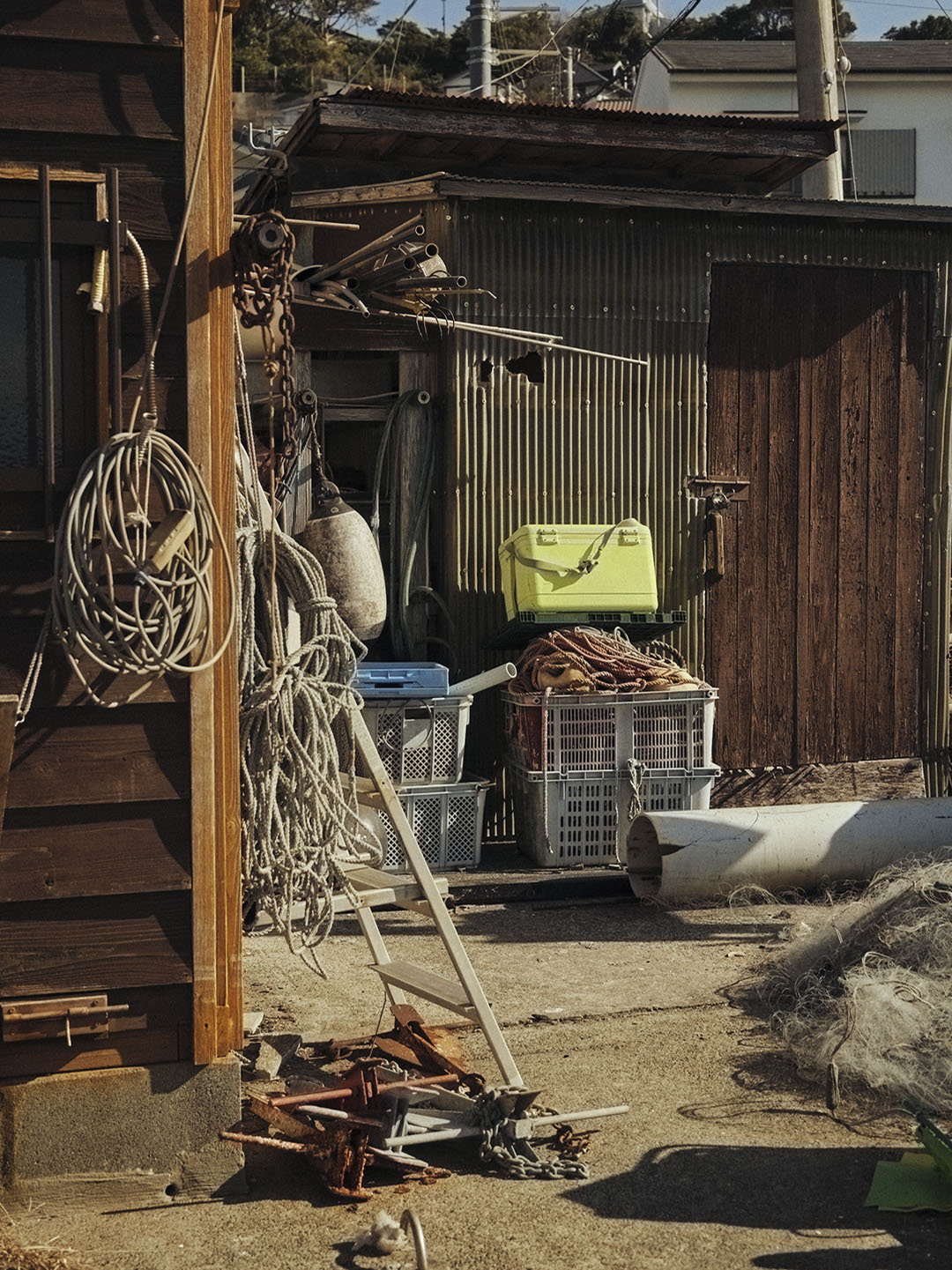
In fact, Ichikawa says this is the first time in his life that he has lived by the sea. “The reason I decided to become a fisherman goes back to 2019, after the earthquake, when I was working at an educational facility in Ishinomaki, Miyagi. As part of an educational program, we visited a fishing port where the children caught fish, cleaned them, and ate them. Experiencing that whole process had a huge impact on me. From there, I began to feel that I wanted to do work that engages directly with nature.” After about a year of thinking it over, he made the decision to pursue fishing. “It wasn’t so much that I simply wanted to catch fish — I wanted to be in a position to convey what it means to receive life. I also wanted to combine it with education, so I looked for a place where being a full-time fisherman wasn’t the only expectation. That’s how I arrived at Kotsubo Fishing Port in Zushi.”
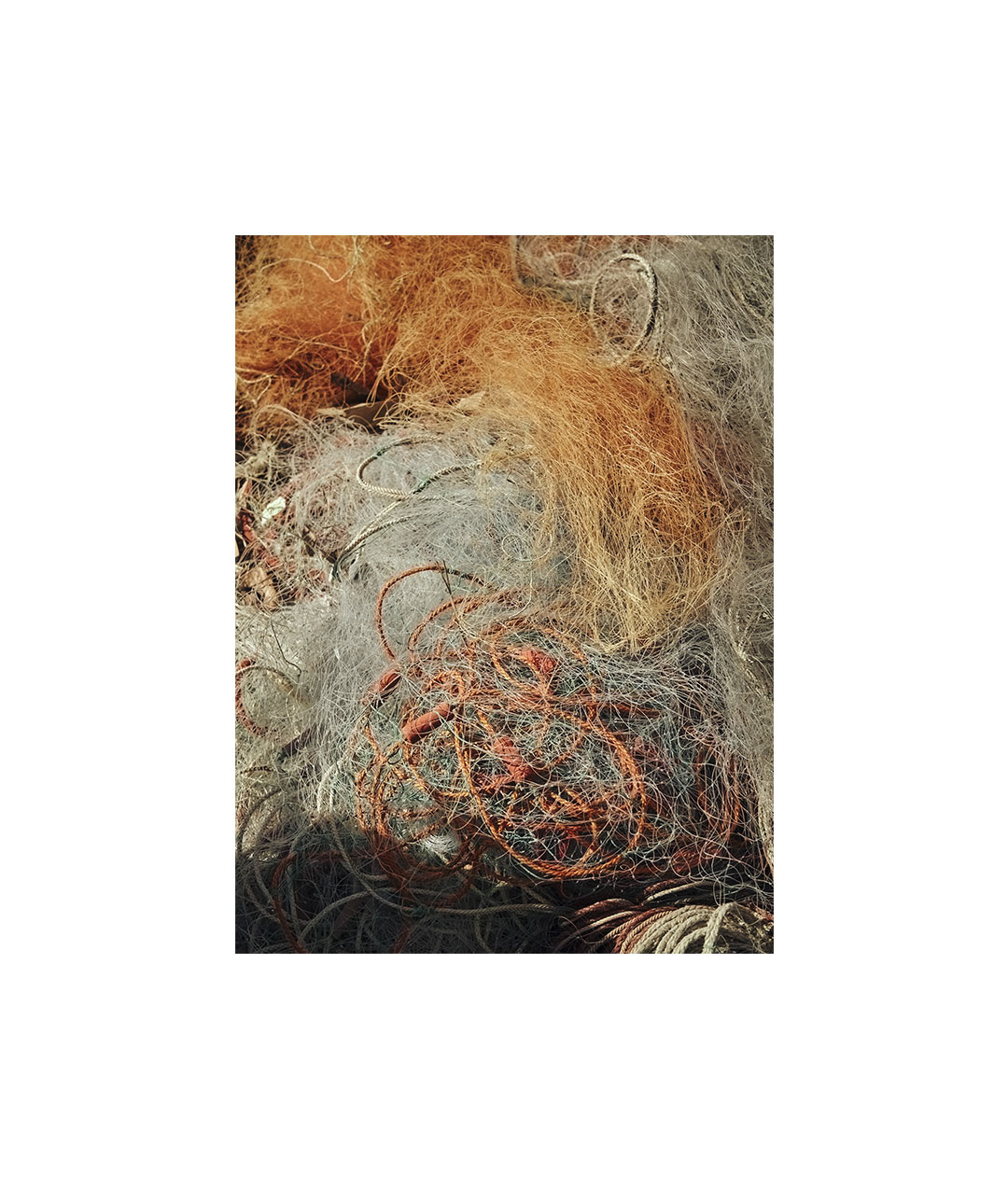

Originally from Osaka, Ichikawa worked as an English teacher in Chiba after graduating from university, and later gained experience in human resources and training at a trading company in Tokyo. “It wasn’t that I wanted to leave education. What bothered me was talking about ‘what it means to work’ when school was the only world I knew. In class, the children reacted completely differently depending on whether I was speaking from real experience or repeating textbook-style success stories. Even during career counseling, I disliked the fact that I had no real experience in society and could only say things like, ‘If you try hard, you can become that.’If anything, I wanted to understand everything — the good parts and the difficult ones. I believe that when you engage with people from that place, there’s a certain intensity and honesty in what you can convey. That’s where the drive to keep taking action comes from.”
“Right now, I continue working both as a fisherman and running an English class. From sunrise until midday I’m out at sea, and in the evening I head to the classroom. The class meets twice a week, and the fishing is done at a pace that feels sustainable. In the English class, I use the sea as a place for real-world practice. The ocean becomes the field where the English learned in class is actually used.” Sometimes the process of cleaning the fish they’ve caught is done in English, and at times he even goes out fishing with foreign staff on the boat. “When learning is tied to real situations, words like ‘Be careful’ naturally stick because they’re connected to the moment. When I heard that a child had blurted out English at home without thinking, I felt like it was working. I’m always thinking about how to create learning that doesn’t feel forced.”
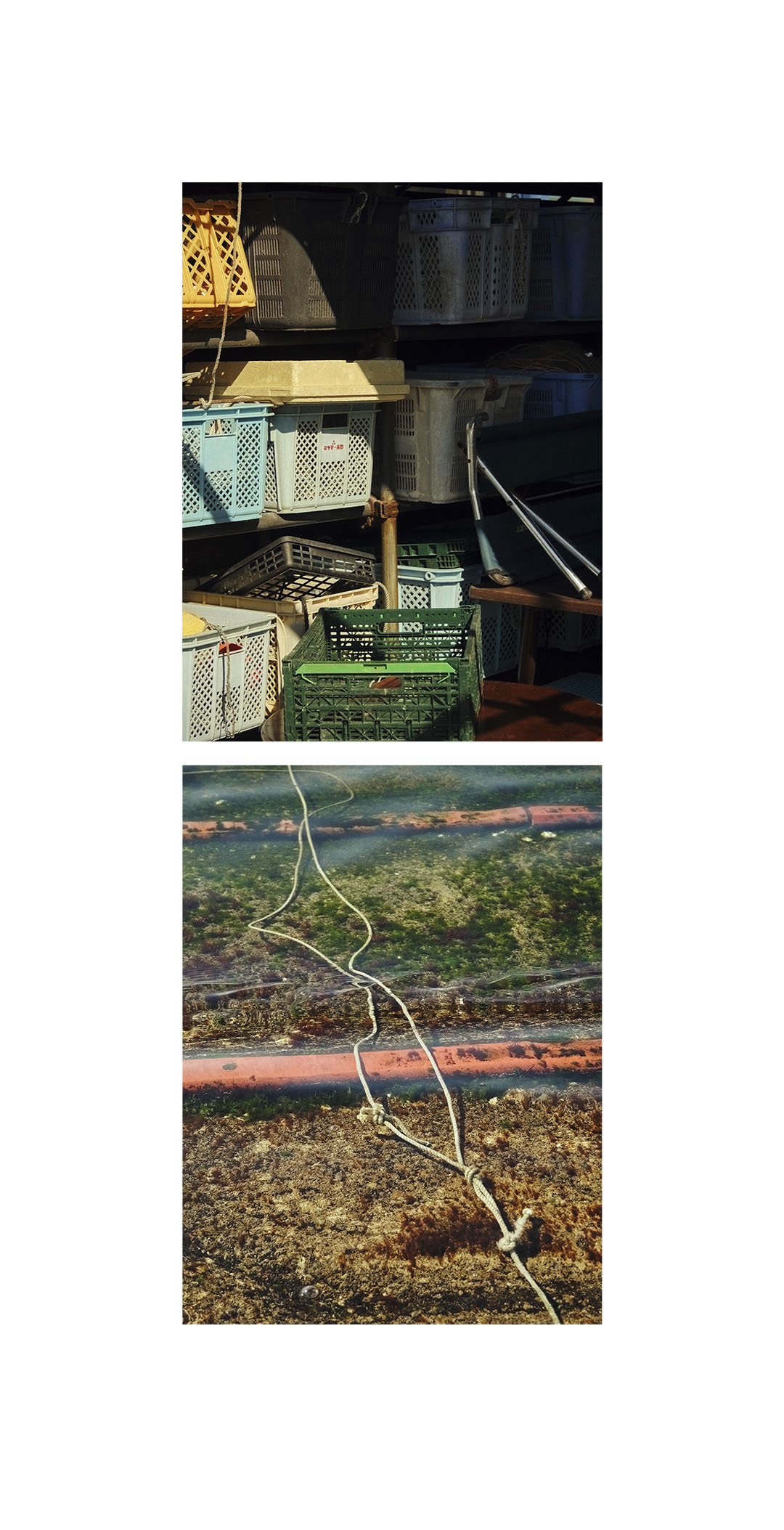
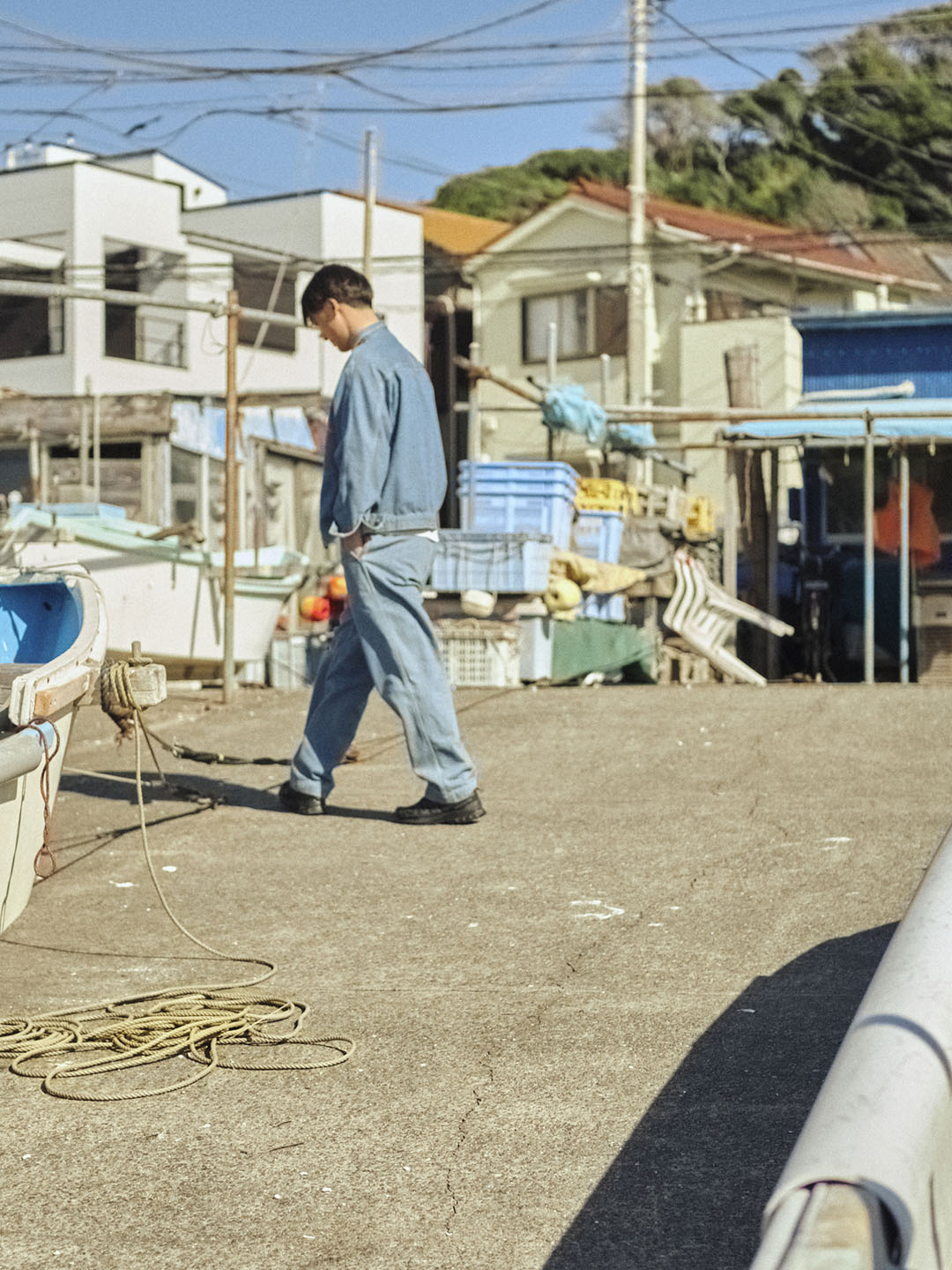
Ichikawa’s everyday uniform as a fisherman is blue, and rubber boots are an essential item. Off duty, he often wears denim or a denim jacket. “After moving to Zushi, I realized something for the first time. From the outside it looks stylish, but in reality everyone is pretty relaxed — in a good way. A lot of people are just hanging out in flip-flops and shorts, and somehow that looks cool. Since I’m living by the sea now, I’d like to embrace that kind of relaxed style too.”
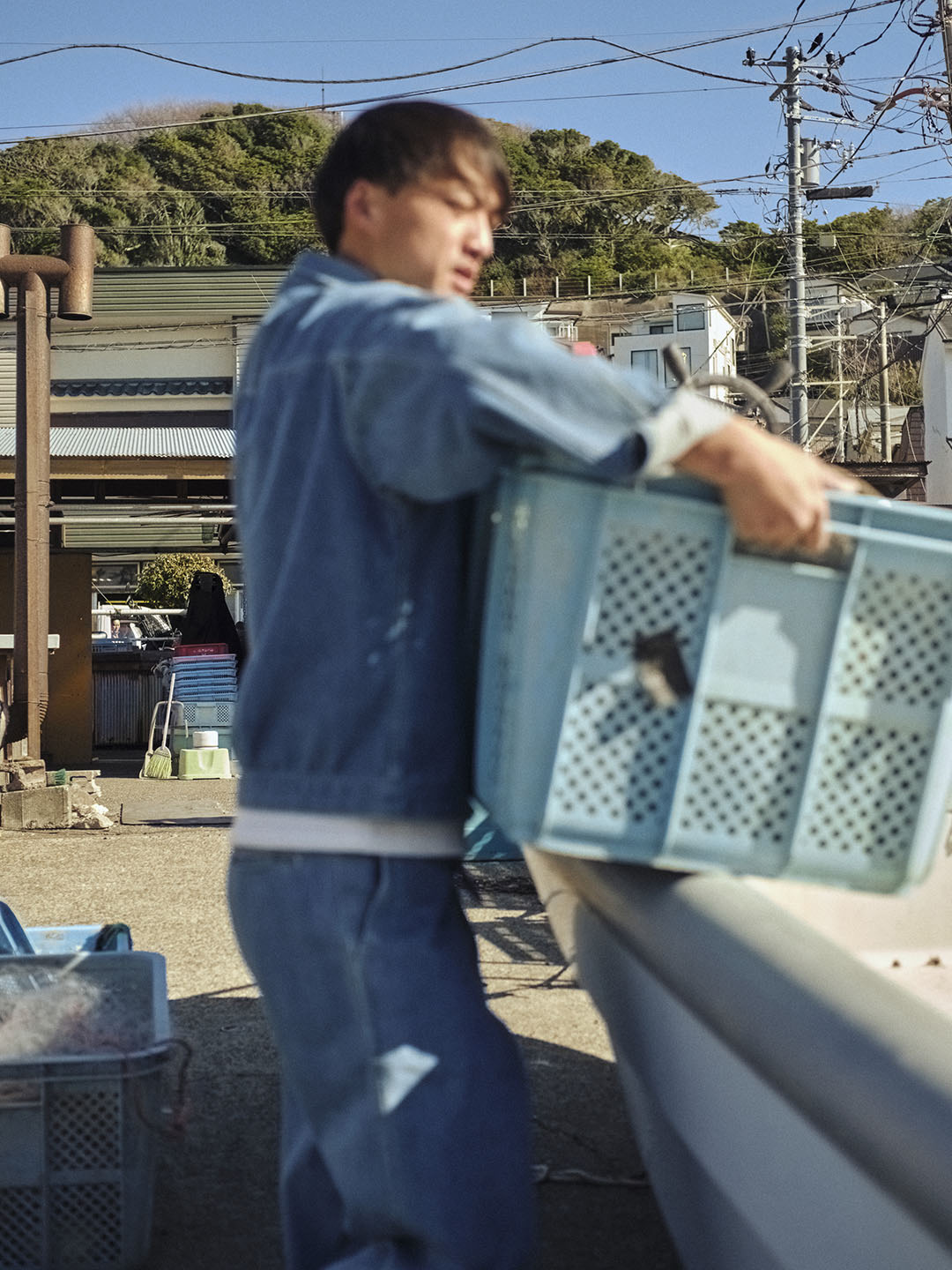
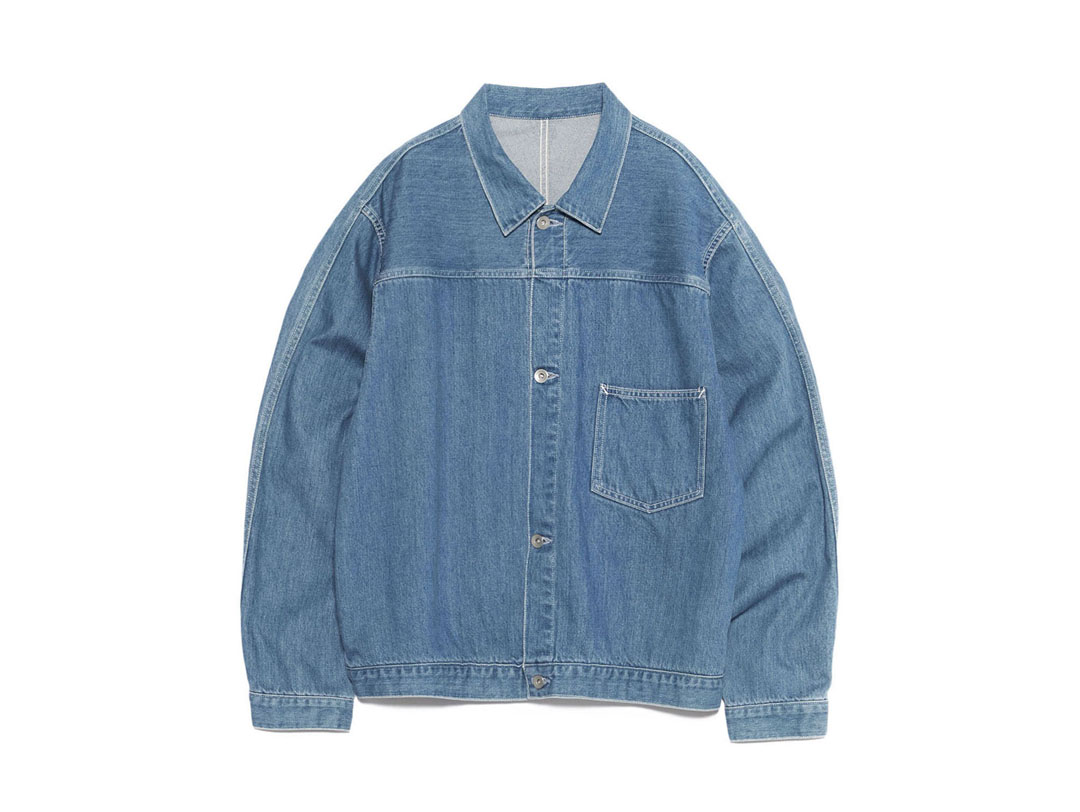
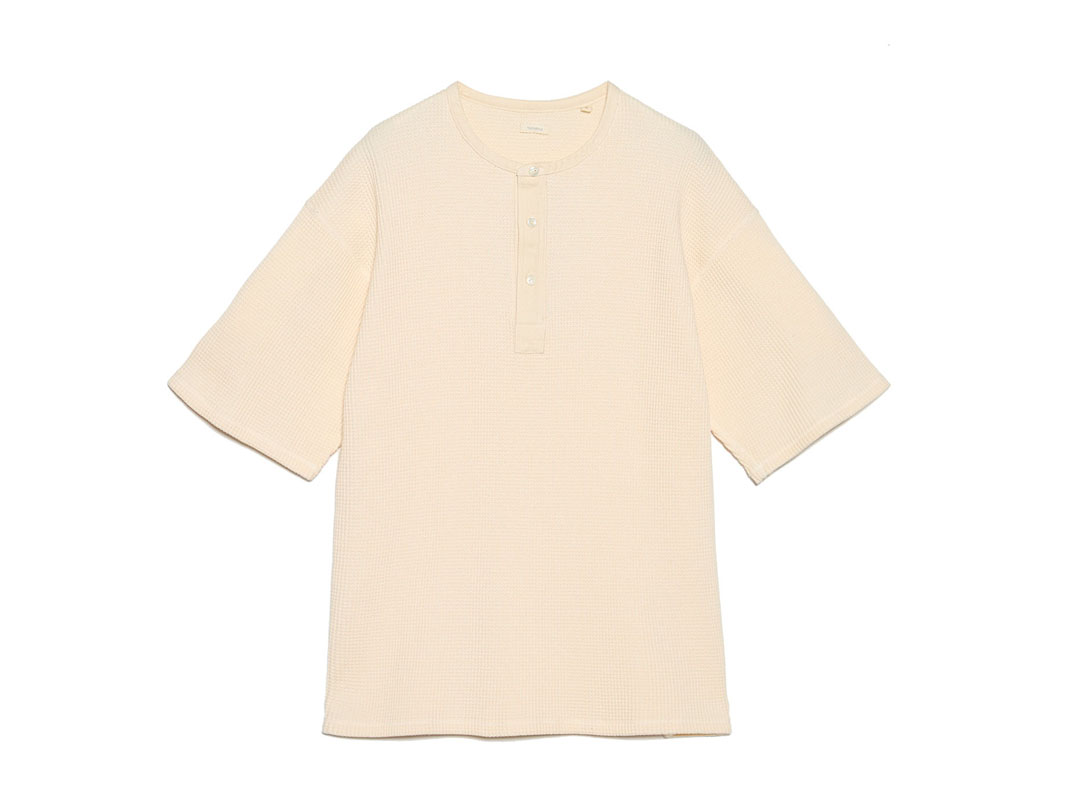
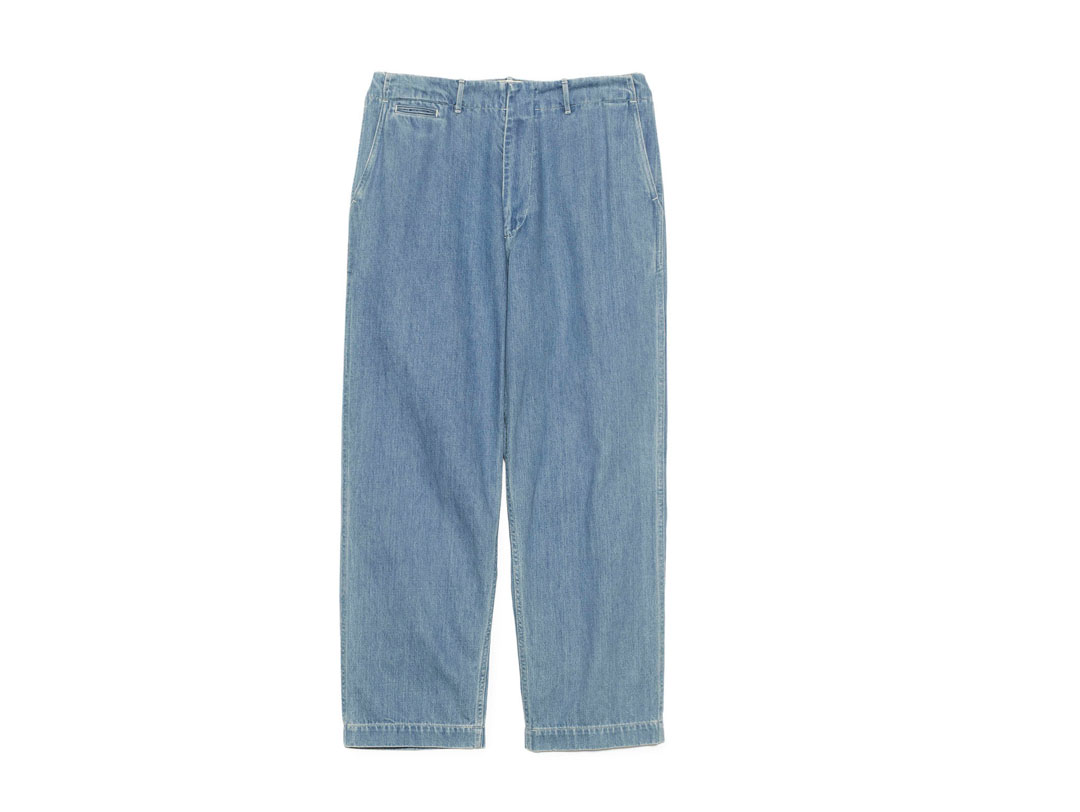
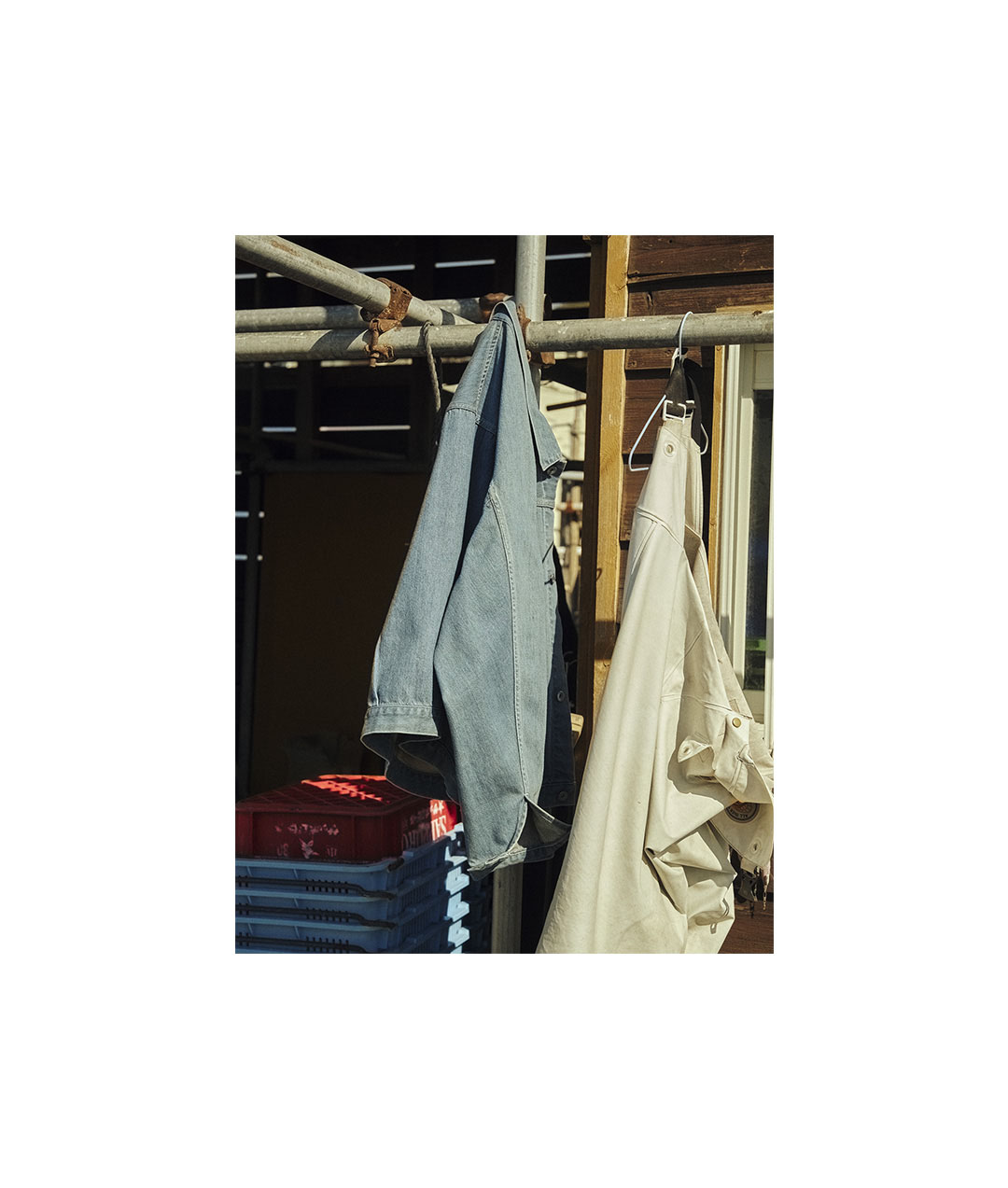
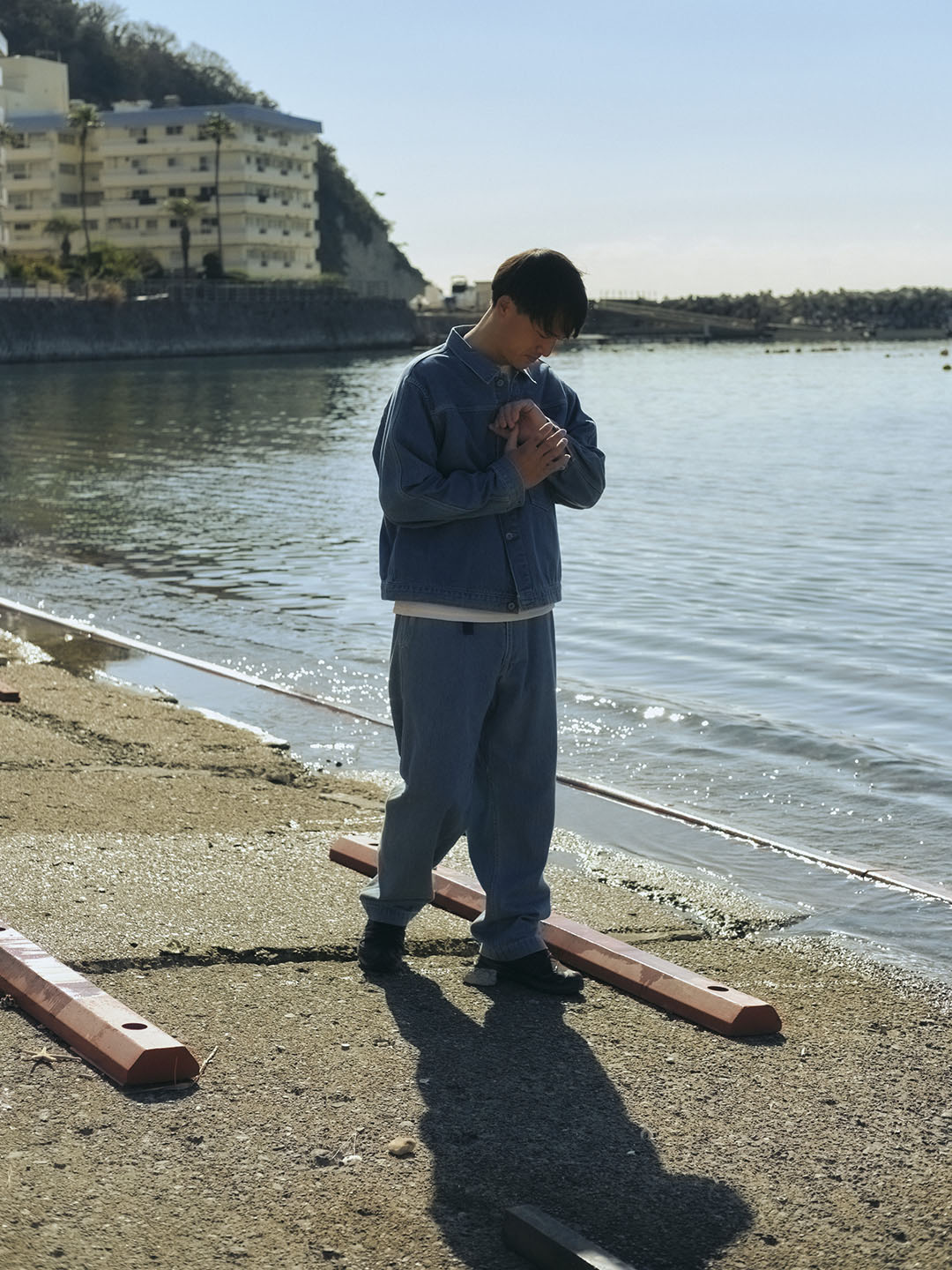
Ichikawa is wearing a Nanamica’s denim set-up. The fabric is made by dyeing a uniquely developed yarn of recycled polyester and cotton, resulting in a material that is lightweight and durable while allowing for natural aging over time. “I don’t usually wear light-colored denim, so it feels refreshing. I almost feel younger,” he laughs. Compared with cotton denim, it dries more quickly making it well suited to the active lifestyle of living by the sea. It’s a piece that can be worn comfortably day after day within a life spent facing the ocean.
Junya Ichikawa
After working for four years as an English teacher at a public junior high school in Chiba, he gained experience in human resources and training at a trading company in Tokyo, before joining a multidisciplinary experiential learning facility for children in Ogatsu, Ishinomaki, Miyagi. Through activities such as farming and fishing, he was deeply inspired by a way of life sustained by nature’s offerings, which led him to pursue a career as a fisherman. He is currently based at Kotsubo Fishing Port in Zushi, Kanagawa, where he works as a fisherman while continuing initiatives such as “Ocean and English,” teaching English using the sea as a learning field.