
FFFES (For, Feel, Find, Endangered Species) / No.006

【ニホンノ絶滅危惧種】
Endangered Species in Japan / No.006
We hope to inspire even a small interest in the Earth’s natural environment.
At the heart of THE NORTH FACE Purple Label’s craftsmanship is
always this sentiment.
The FFFES project, which started in 2023, is part of this effort.
Named after the initials of "For, Feel, Find, Endangered Species,"
FFFES is an initiative to learn about endangered species,
reflect on the natural environment, and evoke a response.
The sixth installment of the FFFES series shines a light
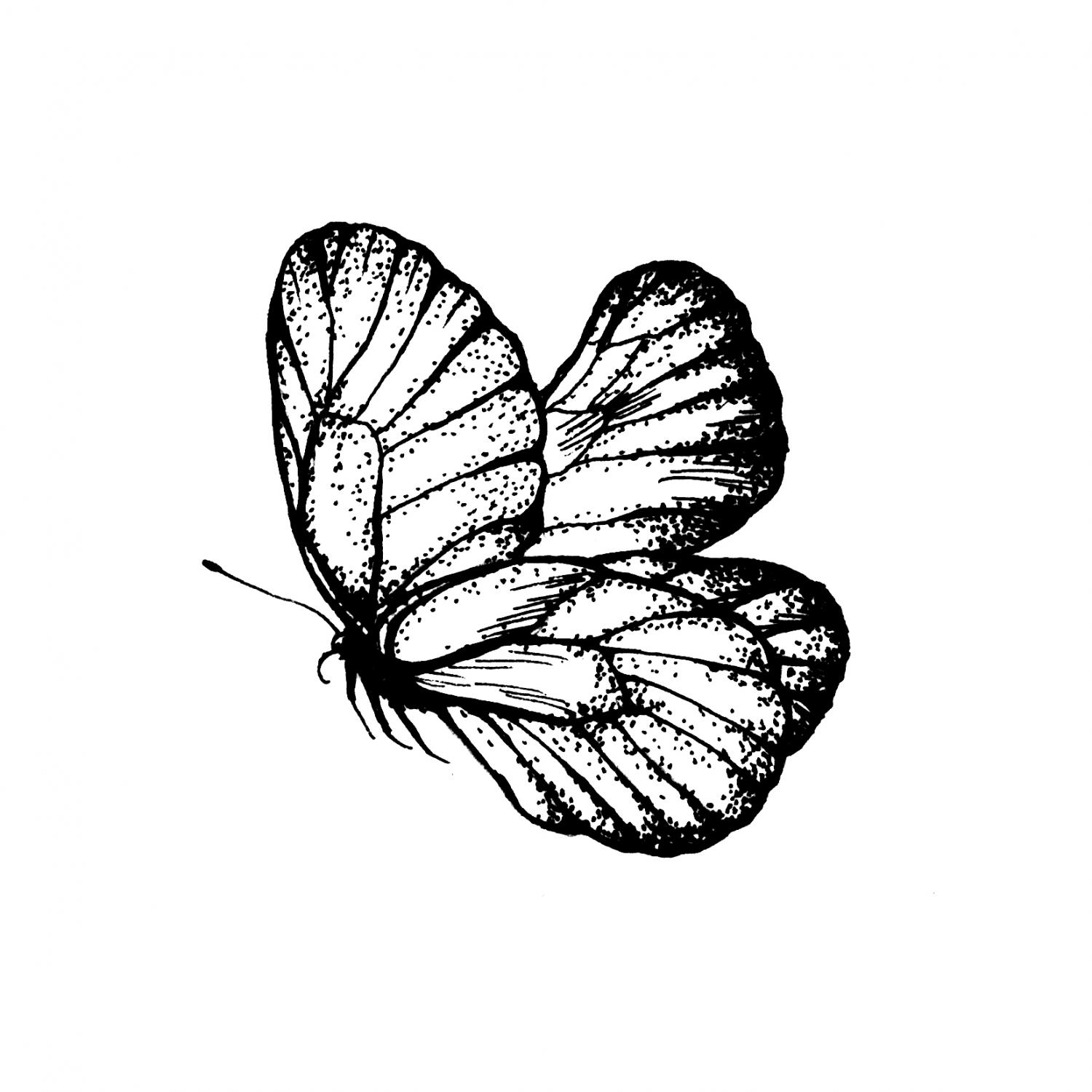
on the delicate miyama shirocho, a rare alpine butterfly
known as the “fairy of the deep mountains” for its ethereal white wings.
Once native to Japan’s highland regions
such as the Yatsugatake Range
and Utsukushigahara Plateau,
this graceful species now faces extinction
due to habitat loss driven by climate change and deforestation.
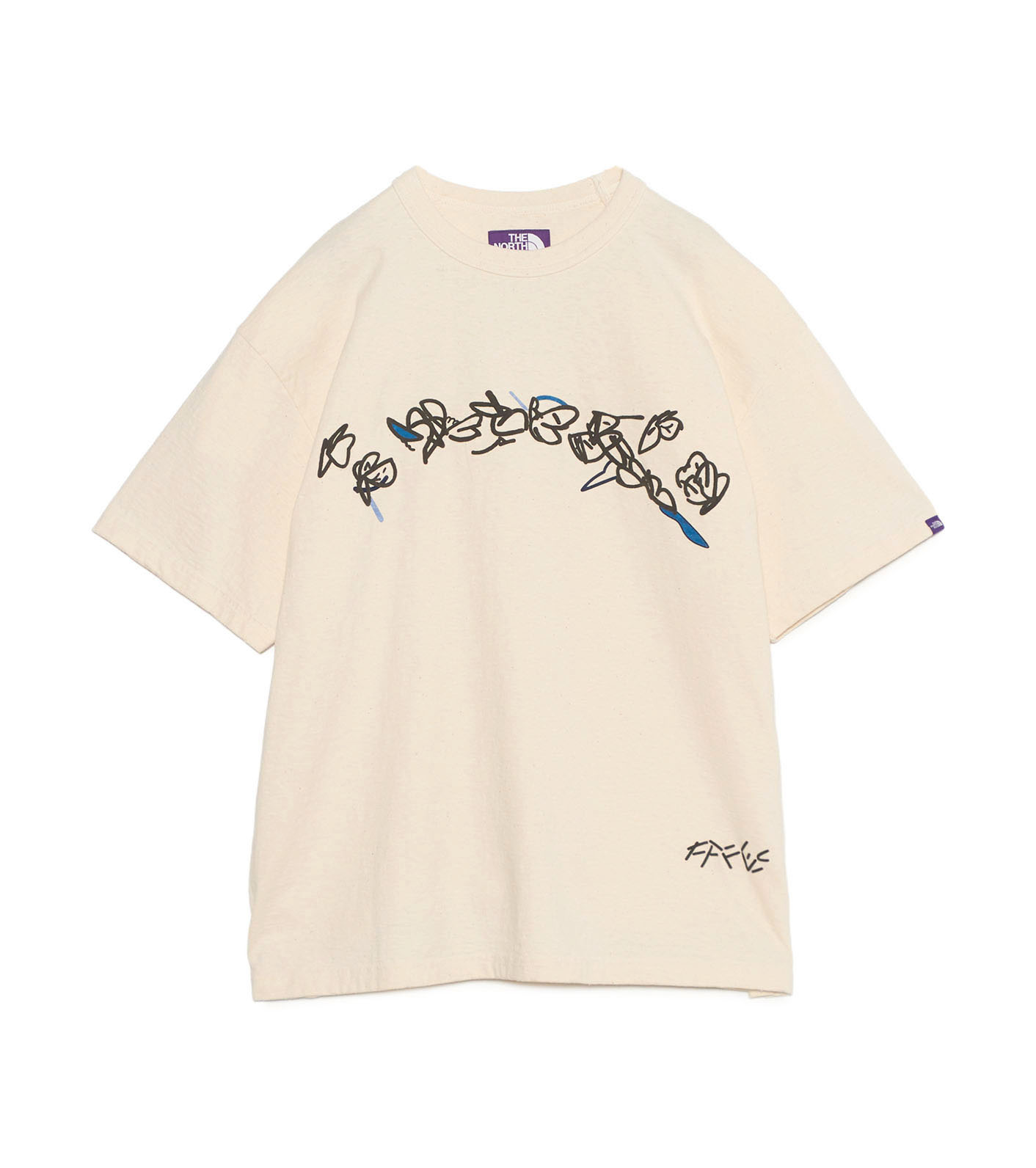
The artwork is created by Haruna Mitobe,
an artist known for exploring the boundaries of drawing
by using diverse materials and methods
to evoke states of being rather than concrete forms.
Her interpretation captures the fleeting
movement of a single miyama shirocho
in a beautifully imaginative way,
and forms the basis for this season’s designs.
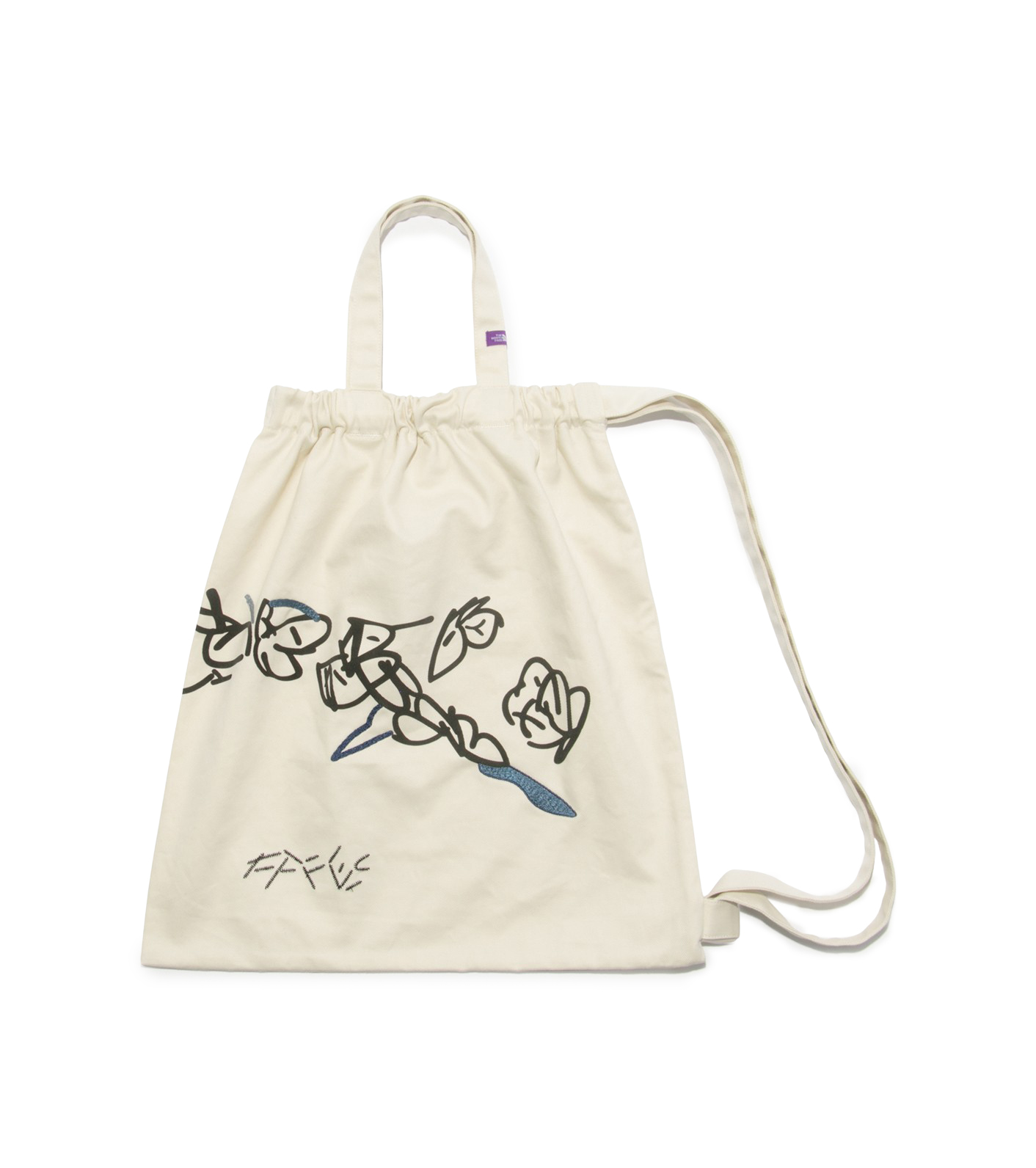
In addition to staple pieces like natural-colored T-shirts,
tote bags, and bandanas,
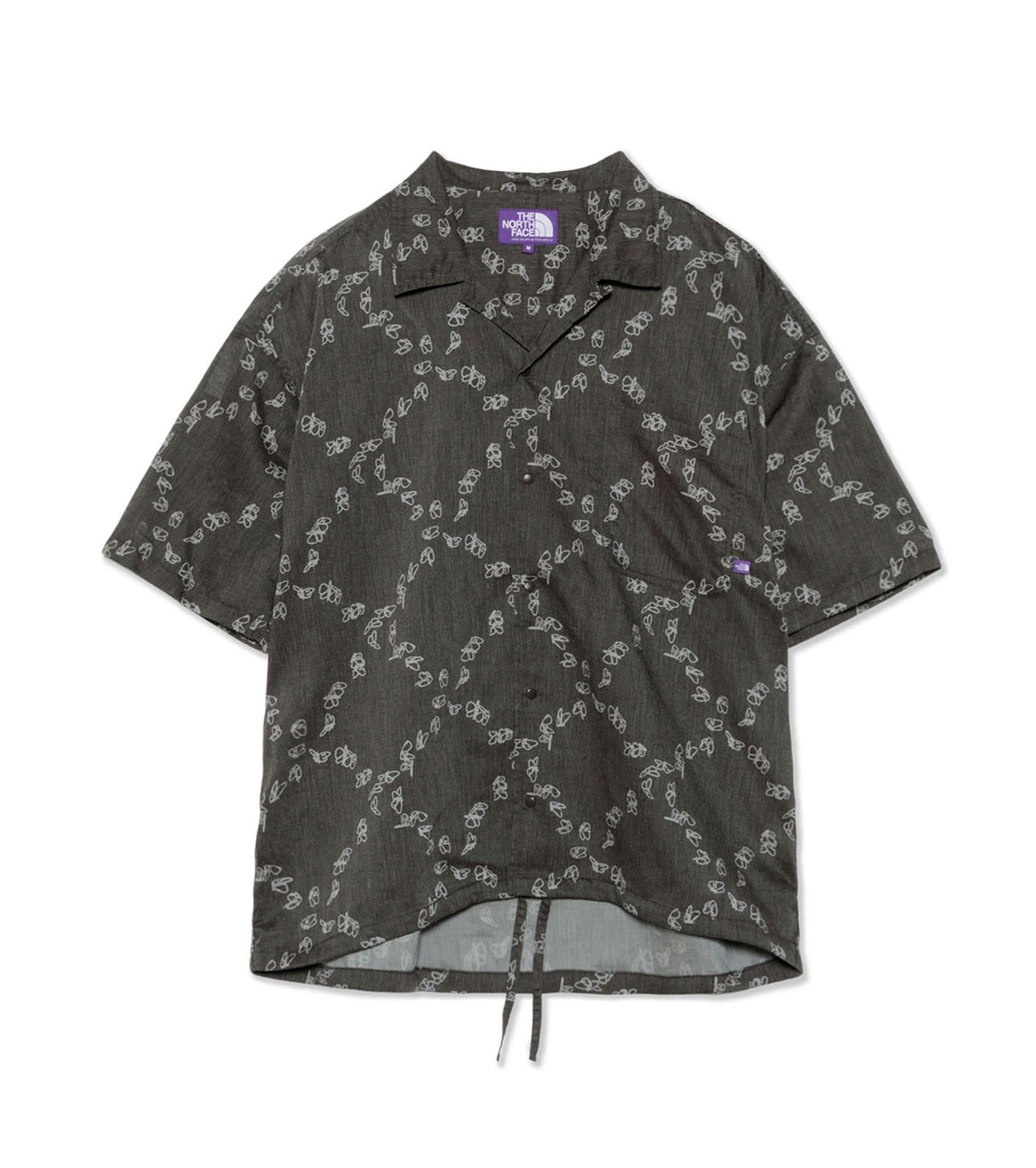
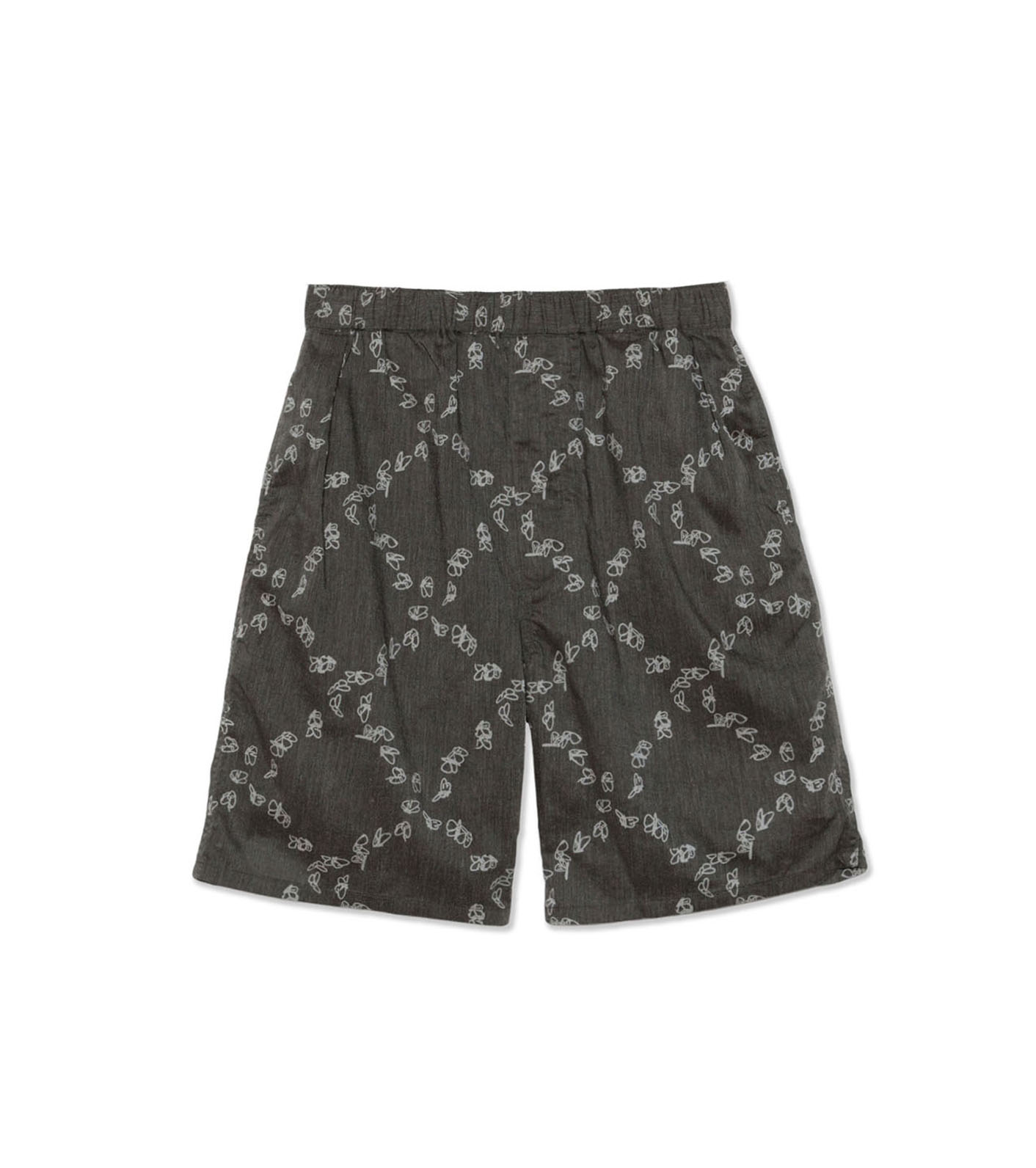
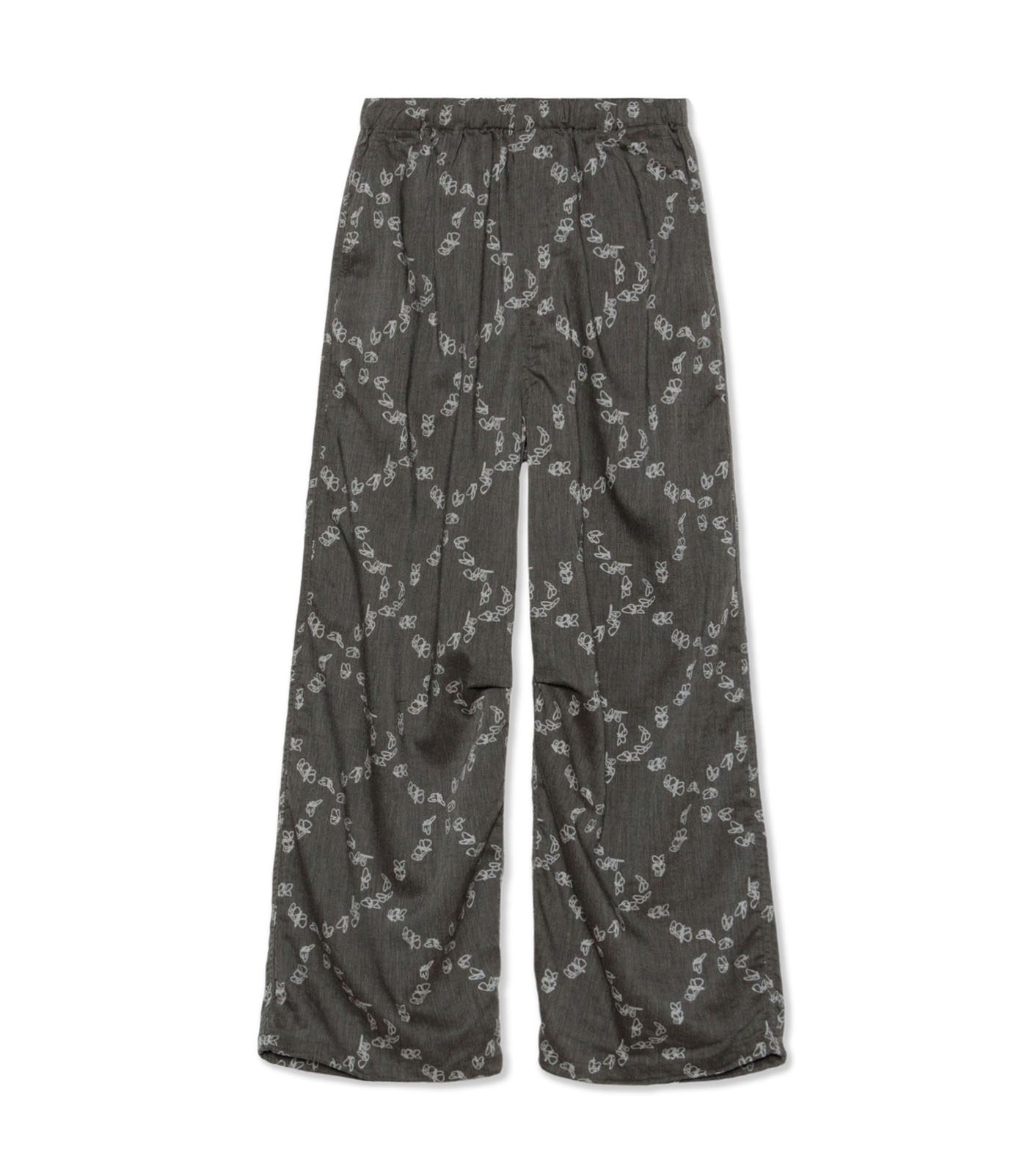
this season introduces a full-pattern collection
where the butterfly motif is reimagined as a kind of argyle.
Expressive, unique, and full of creative freedom,
the FFFES collection continues to offer a thoughtful perspective
on conservation through design.
A portion of the proceeds
will be donated to the Nature Conservation Society of Japan,
a public interest incorporated foundation
dedicated to the conservation
of Japan’s endangered species.
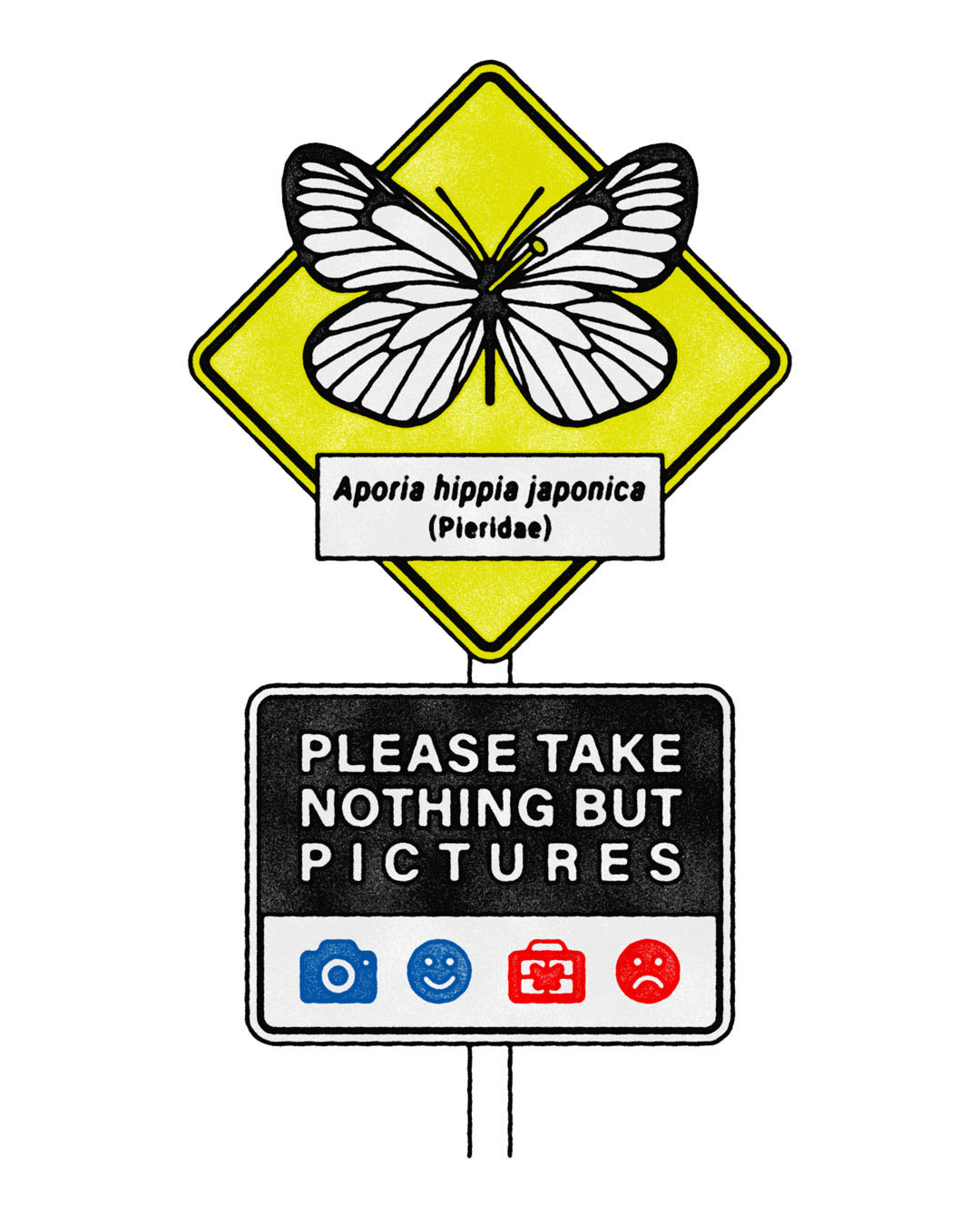
ミヤマシロチョウ
Aporia hippia japonica
分類:昆虫類チョウ目シロチョウ科
学名:Aporia hippia japonica Matsumura
レッドリストカテゴリー:絶滅危惧IB類(EN)
A Japanese endemic subspecies found only in localized areas at high mountain elevations. It inhabits regions between 1,400 and 2,000 meters above sea level across Gunma, Yamanashi, Nagano, and Shizuoka prefectures. Adults emerge from July to August, feeding mainly on the nectar of purple-hued flowers such as thistles and Cypripedium japonicum (Kumagaisō), while males are often seen gathering moisture along streams.
Their wings are white with black streaks along the veins, and the forewings measure about 30–40 mm in length. With its pure white wings, this butterfly is often called “the fairy of the deep mountains.” It was first discovered in the Yatsugatake range of Shinshu (Nagano), where it was once known as the “Shinano White Butterfly.” It is considered one of the region’s iconic and rare alpine species.
Although conservation efforts are underway, deforestation, land development, vegetation changes, and damage to host plants by other animals have severely reduced its habitat and degraded its living environment.
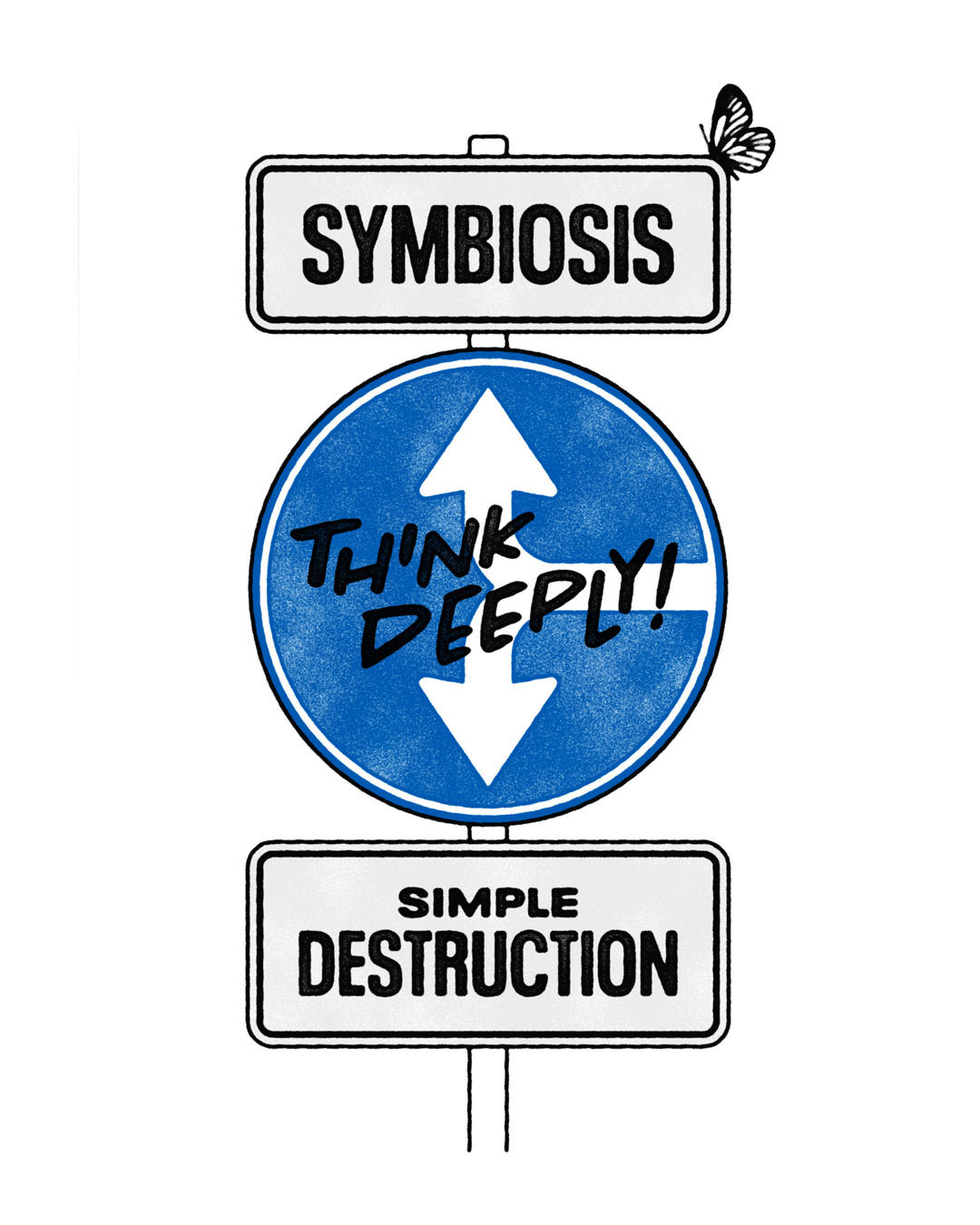
Crisis Situation
生息数減少の要因
Habitat degradation caused
by human development
(loss of habitat)

Decrease in human land management due to lifestyle changes
(forest overgrowth, decline of grasslands, and reduction of host plants)
Population decline due to collecting and poaching (human-induced
reduction in numbers)
Seasonal Artist
Haruna Mitobe
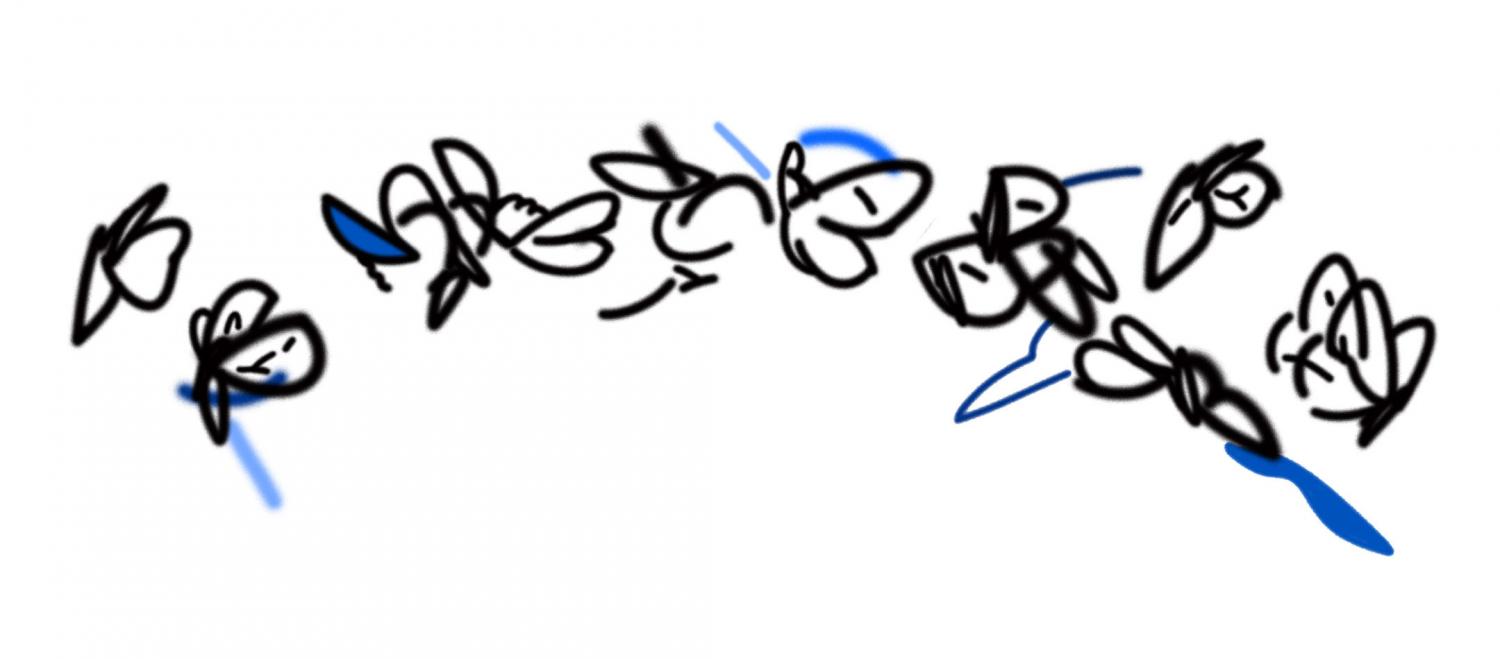
At first glance, it may look as though there are many butterflies,
but it is actually a single Miyama Shirocho drawn repeatedly over time.
My drawing method doesn’t allow me to capture every fine detail,
yet the real Miyama Shirocho
possesses a beauty like
wearing a single shade of stained glass.

I tried to express the lightness
that butterflies embody.
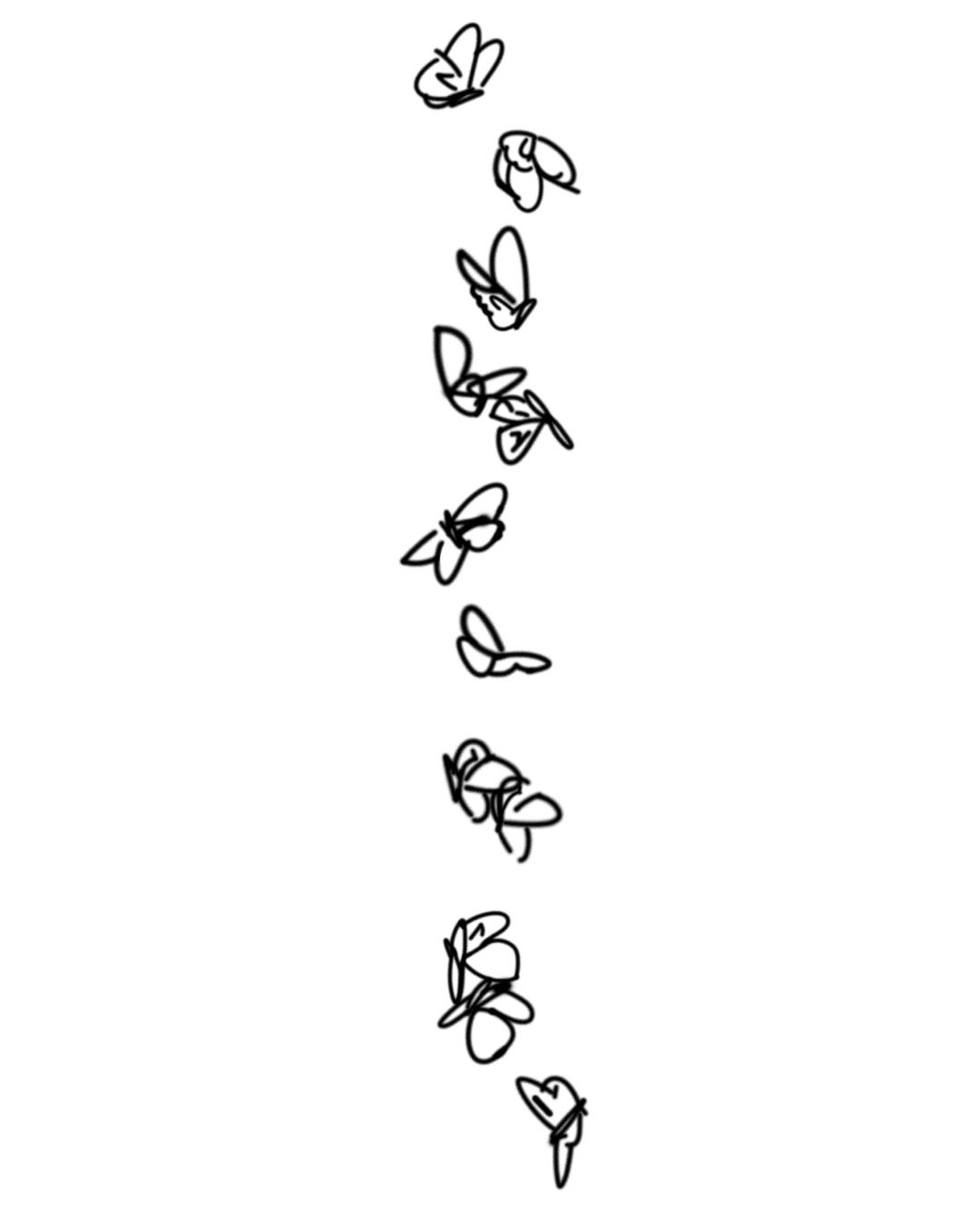
The moment when the Miyama Shirocho
relaxes and descends is my favorite
— it feels as if a translucent white veil
of light is gently falling from the sky.
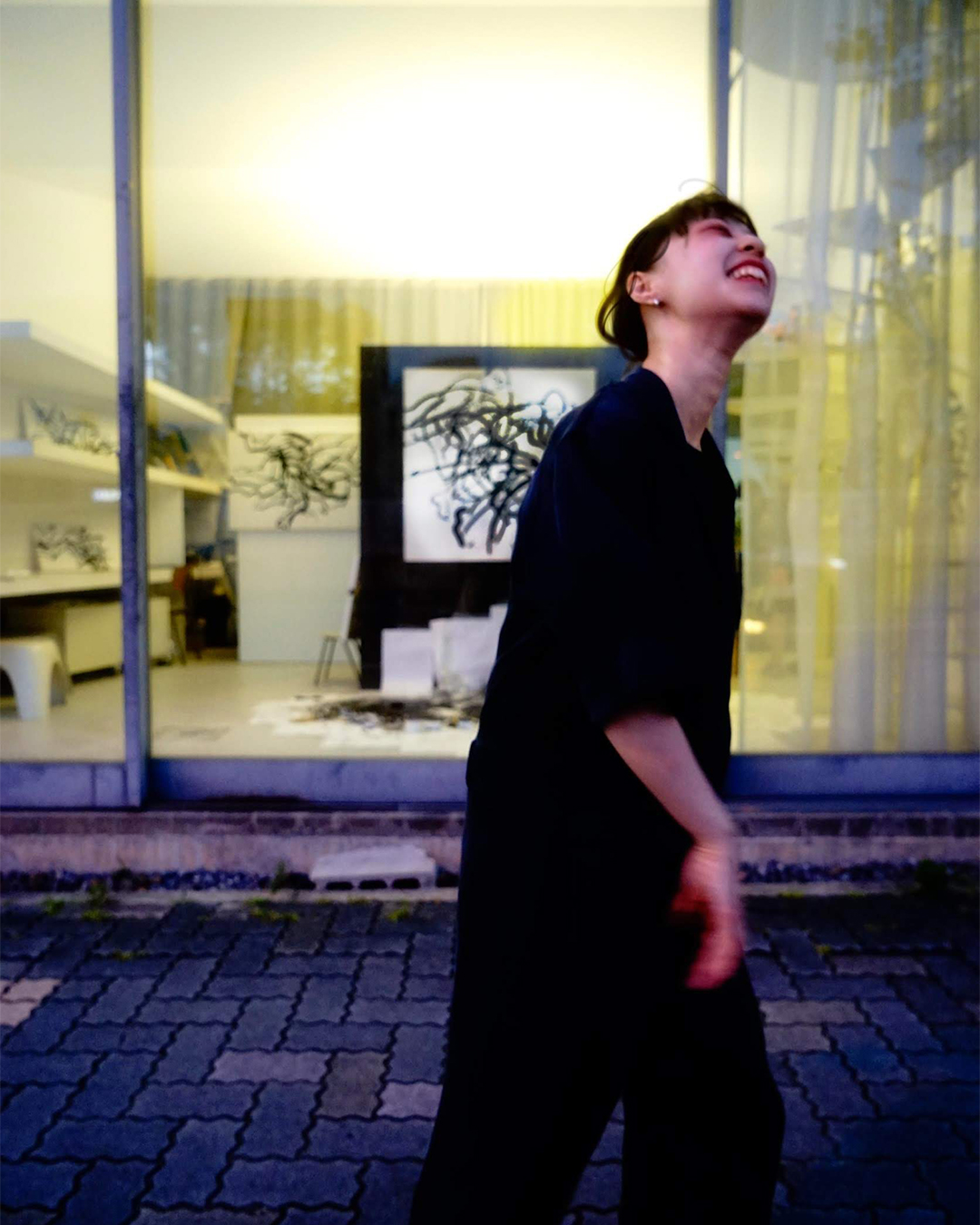
Haruna Mitobe
Born in Zama, Kanagawa Prefecture. Based in Yokosuka.
Her practice centers on the themes of recording and preservation, creating installations and drawings that explore environments bearing traces of human presence and seek the essential reality behind human behavior. In recent years, she has been living in Yokosuka, where she collects discarded materials such as iron and copper buried in the yato valley areas, experimenting with transforming these hard remnants into soft materials through dyeing techniques.
Comment from Artist
「As the apparel industry faces various environmental issues,
we must remember that most people cannot live without clothing
— we live our lives alongside it.
Rather than setting aside the problems and realities we face,
we should confront them directly and seek sustainable ways to coexist.
I see the FFFES series as one such approach.
When we hear the words ‘protection of endangered species,’
it can sound daunting, but the FFFES series makes the subject approachable
— it feels like an inviting entry point
for us
to start thinking about what we can do.」
When thinking of what the relationship is between people and nature, there is something that comes to mind.
When I’m in the train in the morning heading to the office, or when I’m walking in the crowded city, it just comes to mind.
It is that time passes equally for all beings, and at this very moment
not only people but animals and plants too are striving to live on this planet.
For, Feel, Find, Endangered Species
With the effects of global warming, there are many species
on the verge of extinction at this very moment.
This project may be a small step,
but it is a project that will make each of us think about the future.
FFFES Collection 2026 Spring & Summer